


Bay Area Rapid Transit is having its best year in more than a decade — and for Walnut Creek commuters who rely on the Yellow Line every day, the improvement is hard to miss.
According to agency data released this week, BART reported its highest on-time performance in more than ten years during the first quarter of 2026, alongside a continued rebound in ridership. The agency also posted measurable gains in station cleanliness and passenger safety — two areas that have been top concerns for East Bay riders since the pandemic-era ridership collapse.
By the Numbers
While BART hasn’t returned to pre-pandemic ridership levels, the upward trend is clear. Weekday ridership has been climbing steadily through early 2026, with the Walnut Creek station consistently ranking among the top 10 busiest stations in the system outside of downtown San Francisco.
On-time performance — meaning trains arriving within their scheduled window — has now surpassed 90% systemwide, a figure the agency hasn’t posted since 2014-2015. For Walnut Creek riders heading into San Francisco, that means fewer delays during the 35-40 minute commute to Embarcadero station.
The improved performance comes after years of aggressive maintenance work, including rail grinding on the Yellow Line corridor, upgraded train control systems, and the full rollout of BART’s “Fleet of the Future” railcars, which now make up the majority of trains serving Walnut Creek.
Cleaner Stations, Safer Rides
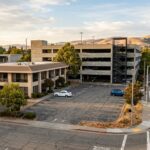
BART has also invested heavily in visible station improvements. The Walnut Creek station — located at 200 Ygnacio Valley Road, adjacent to the North Concord/Walnut Creek border — has seen increased cleaning schedules, upgraded lighting in the parking structure, and a more visible police and ambassador presence.
Riders interviewed by local news outlets in recent months have noted a marked difference. “It feels like the BART I remember from ten years ago,” one regular Walnut Creek commuter told Claycord.com. “Cleaner cars, fewer delays, and I’m not checking my phone every five minutes to see if my train is cancelled.”
What’s Next: Transit Village and Beyond
The service improvements come at a pivotal moment for the Walnut Creek BART station area. Plans for a BART Transit Village — which could include up to 599 housing units, retail space, and pedestrian improvements around the station — are advancing through the city’s planning process.
The Transit Village project, a long-discussed development that would transform the station’s surface parking lots into a mixed-use neighborhood, is expected to break ground in phases over the next several years. Improved transit reliability only strengthens the case for transit-oriented development, city planners have noted.
“When the train runs on time, people are more willing to build their lives around it,” said one Walnut Creek planning commissioner at a recent meeting. “That’s the whole premise behind the Transit Village.”
What Commuters Should Know
For Walnut Creek riders, the key takeaways are straightforward:
- Yellow Line (Antioch–SFO) remains the primary service through Walnut Creek, with trains approximately every 15 minutes during peak hours.
- Parking: The Walnut Creek station garage has over 2,000 spaces. Daily parking is $3, and monthly reserved permits are available through the BART website.
- BART to SF: The ride from Walnut Creek to Embarcadero is roughly 35-40 minutes. Fares vary by time but generally run $5.80–$7.10 each way with a Clipper card.
- Real-time updates: Download the official BART app or check bart.gov/stations/walc for live departure times and service alerts.
BART’s next quarterly performance report is expected in August 2026. If current trends hold, Walnut Creek commuters can look forward to more of the same: fewer delays, cleaner stations, and a transit system that’s finally living up to its potential.
Source: BART Q1 2026 Performance Report via Claycord.com. Additional reporting from East Bay Times.



One comment on “BART Hits Decade-High Performance — What It Means for Walnut Creek Commuters”
Comments are closed.