
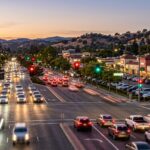


Walk into downtown Walnut Creek on a Friday evening and you’ll find a dining scene that rivals any in the East Bay. Sidewalk tables at True Food Kitchen hum with conversation. A line forms outside Mensho Tokyo Ramen. Couples linger over wine at Original Joe’s. It feels like a city that knows how to eat — and drink — well.
But by 10 p.m., the energy starts to fade. Last call comes early. By midnight, the sidewalks are largely empty. For a city that has spent two decades building itself into a legitimate regional dining destination, the gap between the ambition and the bedtime is becoming harder to ignore.
That gap is now the subject of formal review. The Walnut Creek Planning Commission is studying whether to extend alcohol service hours at downtown restaurants and bars, a shift that could reshape how late the city stays awake — and who benefits when it does.
The Current State of Nightlife in Walnut Creek
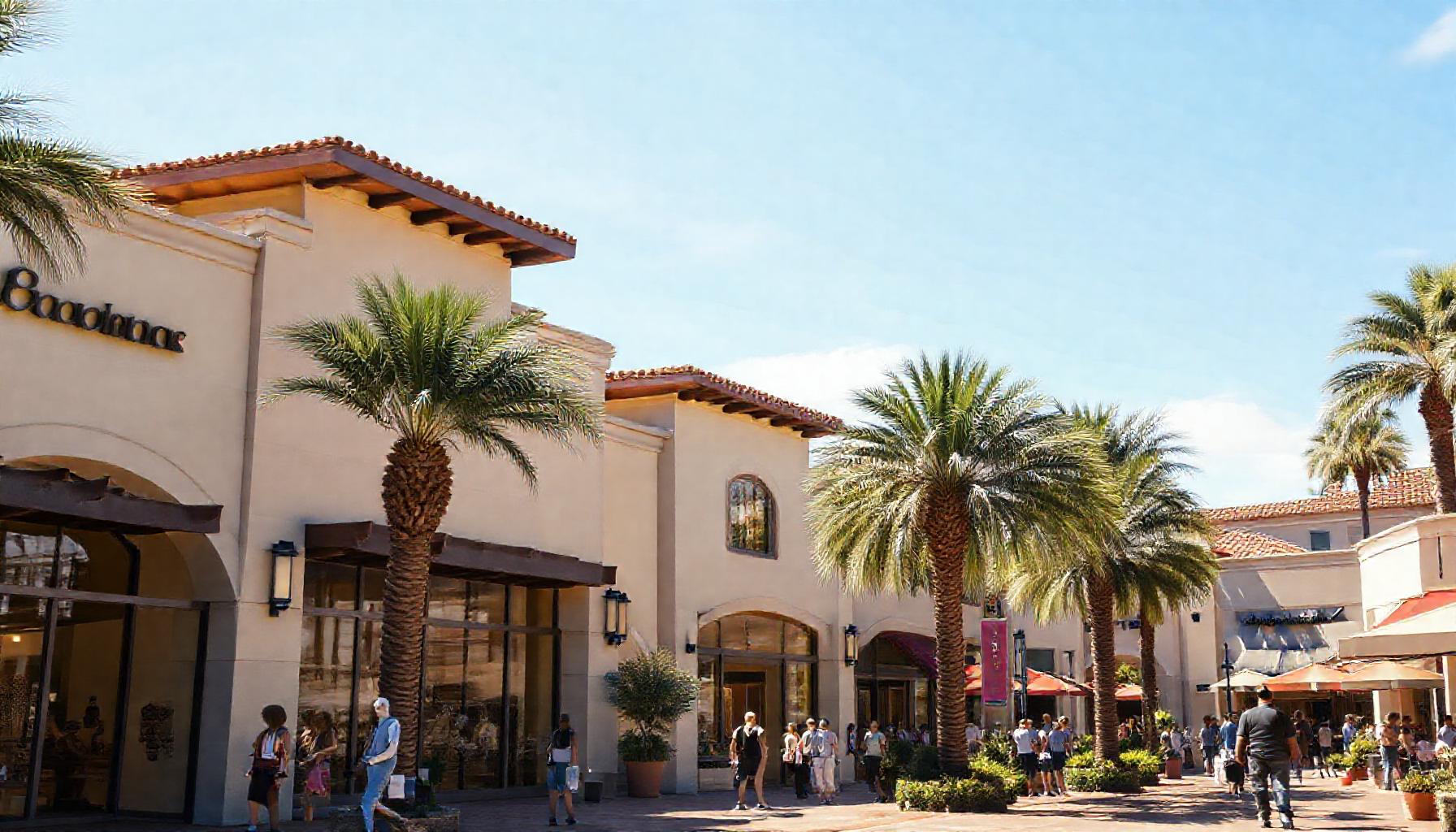
Walnut Creek’s dining reputation is real. The downtown corridor, anchored by Main Street and extending through Broadway Plaza, has attracted serious culinary talent. Marufuku Ramen brought its Hakata-style tonkotsu from San Francisco. Cholita Linda introduced its Baja-inspired menu from Oakland. True Food Kitchen, Boudin SF, and the iconic Original Joe’s all chose Walnut Creek as part of their East Bay expansion.
Yet the nightlife curve drops off sharply. Current alcohol service hours mean that restaurants and bars must stop serving well before the late-night crowd that sustains nightlife economies in Oakland, Berkeley, and San Francisco even gets started. Diners who want a later seating at 9:30 or 10 p.m. often find their options limited. Post-show crowds from the Lesher Center for the Arts — Walnut Creek’s premier performing arts venue, which draws audiences from across Contra Costa County — typically spill into the streets around 10 p.m. with few places to go for a drink and a conversation about what they just saw.
“Walnut Creek has the restaurants,” one downtown business owner told us. “What it doesn’t have yet is the night.”
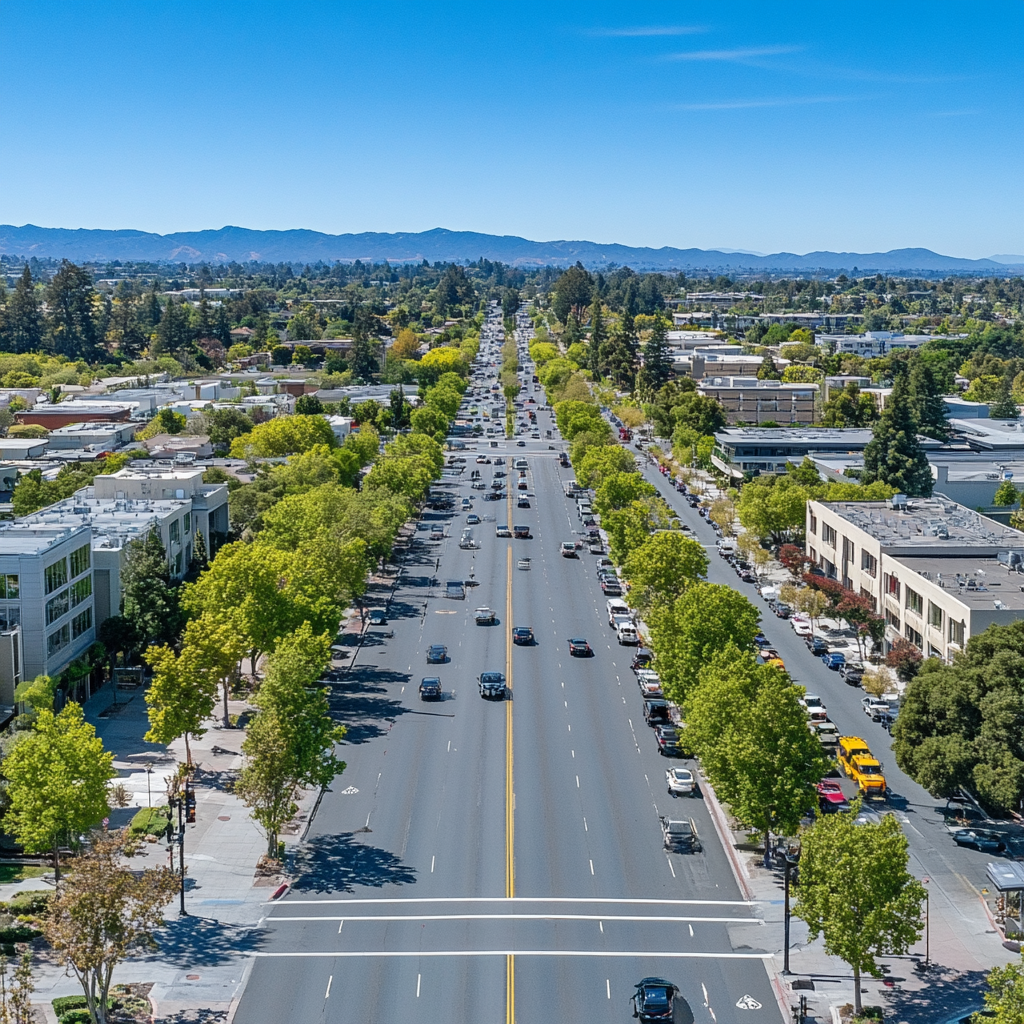
The comparison to neighboring cities is instructive. Oakland’s Uptown and Temescal districts sustain active nightlife past midnight. Berkeley’s downtown and Fourth Street corridors keep serving well into the evening. Walnut Creek, despite its affluence and dining density, operates on an earlier clock — one that some argue is costing local businesses real revenue and limiting the city’s cultural footprint after dark.
What the Planning Commission Is Considering
The Planning Commission’s review, underway as of late May 2026, is part of a broader examination of downtown regulations that also includes short-term rental rules. The alcohol service extension is not a foregone conclusion — it is in the study phase, with commissioners weighing data, gathering public input, and evaluating what an expansion would look like in practice.
Key questions on the table include:
- How late is too late? The exact hour of any extension is undetermined. Discussions range from a modest one-hour extension to something more aligned with late-night cities.
- Which establishments qualify? Would extended hours apply broadly to all alcohol license holders, or only to full-service restaurants with kitchen operations?
- What conditions attach? Noise mitigation requirements, security staffing minimums, and proximity buffers from residential zones are all being discussed as potential guardrails.
- How is enforcement handled? The Walnut Creek Police Department’s capacity to manage later-night activity is part of the calculus.
Why This Matters Now
The Planning Commission’s review comes at a moment when downtown Walnut Creek is actively courting new restaurant and entertainment tenants. The city has positioned itself as a dining destination, but operators evaluating locations consider evening revenue potential as a critical factor. Extended hours could make the difference between a restaurant choosing Walnut Creek or taking its concept elsewhere in the East Bay.
Commissioners are expected to weigh economic development benefits against quality-of-life concerns, with public hearings likely before any formal recommendation advances to the City Council.
What Extended Hours Could Mean for Local Restaurants
For downtown restaurants, the math is straightforward: more service hours equal more revenue. A restaurant that can seat a final dinner turn at 10 p.m. instead of 9 p.m. gains an additional table rotation per night. Over a month, that compounds into meaningful top-line growth — and the city collects more sales tax on every dollar.
| Economic Factor | With Current Hours | With Extended Hours |
|---|---|---|
| Final dinner seating | ~9:00 p.m. | ~10:00–10:30 p.m. |
| Late-night table turns | 0–1 | 1–2 additional |
| Post-theater capture | Minimal | Significant during show nights |
| Staffing model | Single shift | Potential for swing-shift coverage |
| City sales tax revenue | Baseline | Incremental gain per extended hour |
Beyond the direct revenue argument, extended hours change the character of a dining district. Restaurants that can serve later attract different demographics — younger professionals, night-shift workers, concert-goers, and the growing cohort of remote workers who keep unconventional schedules. It also makes Walnut Creek more competitive for culinary talent: chefs and bartenders want to work in cities where the industry feels vibrant and full of possibility, not where the kitchen closes at 9:30.
Post-theater traffic deserves special attention. The Lesher Center for the Arts programs hundreds of performances each year, from touring Broadway productions to the California Symphony. Those audiences — often 800 to 1,200 people per show — currently exit into a downtown where their options are limited. Capturing even a fraction of that crowd for a post-show drink or dessert represents a genuine economic opportunity that current hours leave on the table.
Voices on Both Sides of the Debate
The conversation around extended alcohol hours is not one-sided, and the concerns raised by residents deserve a fair hearing.
The case for extension centers on economics and cultural maturity. Proponents argue that Walnut Creek has outgrown its early-to-bed identity. Downtown has evolved from a suburban retail corridor into a mixed-use urban center with high-density housing, a performing arts complex, and a restaurant scene that holds its own against much larger cities. Letting restaurants serve later, they say, is simply catching regulations up to reality. Restaurant owners point to tangible revenue losses on Friday and Saturday nights, and note that patrons who want a later experience are already driving to Oakland or San Francisco for it — taking their spending with them.
The case against extension focuses on quality of life, public safety, and the character of downtown after dark. Residents in adjacent neighborhoods worry about noise from later crowds, increased traffic at hours when families are sleeping, and the potential for alcohol-related incidents. The DUI risk is a serious concern: later service hours mean more people driving after drinking at later hours. Some longtime residents express concern that extending alcohol service pushes downtown toward an entertainment-district model that doesn’t reflect what drew them to Walnut Creek in the first place.
⚠ Public Safety Considerations
Any extension of alcohol service hours would likely come with conditions designed to mitigate risk. Other California cities that have extended hours typically require enhanced security staffing, noise monitoring protocols, coordination with local law enforcement, and in some cases mandatory alcohol service training for staff. The Planning Commission is expected to examine these models as part of its review.
What makes this debate particularly Walnut Creek is the stakes. This is not a city debating whether to allow nightlife — it already has it. It is debating whether to let that nightlife breathe, and whether the benefits of doing so outweigh the friction. The answer will say a lot about what kind of city Walnut Creek wants to be in its next chapter.
The Planning Commission’s review is ongoing, and no formal recommendation has been made. Public input opportunities are expected in the coming months. For residents and business owners with a stake in the outcome — which is to say, just about everyone who eats, drinks, or lives downtown — now is the time to pay attention.
The broader question hanging over this debate is simpler than zoning codes and license conditions: Is Walnut Creek ready to stay up a little later? The restaurants are here. The audiences are here. The debate is about whether the hours will follow.




One comment on “Later Last Call in Walnut Creek? The Debate Over Extended Alcohol Hours Downtown”
Comments are closed.