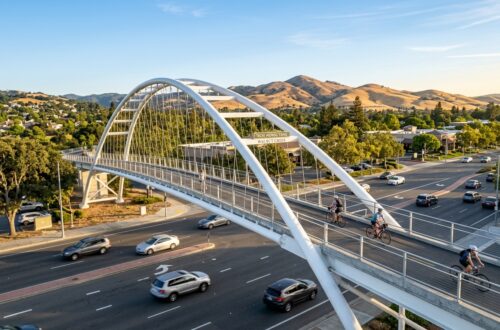
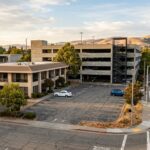
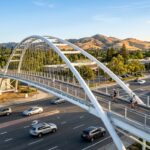
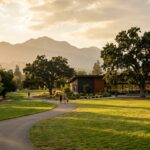
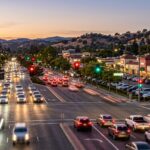
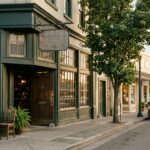
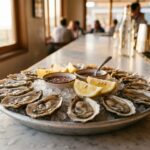

Walk through downtown Walnut Creek on a summer evening and you’ll hear it before you see it: the hum of conversation spilling from restaurant patios, the distant notes of a jazz trio, the applause drifting from an open theater door. Walnut Creek has quietly built one of the East Bay’s most vibrant arts and culture scenes, and summer 2026 is shaping up to be one of its busiest seasons yet.
At the center of it all sits the Lesher Center for the Arts, the city’s cultural anchor. But the story of arts in Walnut Creek extends well beyond its walls — into public plazas, community theaters, galleries, and the annual festivals that turn downtown into a stage. This summer, with the Art & Wine Festival returning June 6–7 and the Lesher’s full summer slate kicking into gear, the arts are positioned to draw larger crowds than any season since 2019. Here’s what’s happening and why it matters.
The Lesher Center: A Regional Powerhouse
Opened in 1990 at the corner of Civic Drive and Locust Street, the Lesher Center for the Arts houses three performance venues under one roof: the 785-seat Hofmann Theatre, the more intimate 300-seat Margaret Lesher Theatre, and the flexible Knight Stage 3. Together, they host more than 900 events annually, drawing audiences from across the Bay Area.
The 2026 summer calendar features a mix that reflects the center’s broad programming philosophy. Center Repertory Company, the Lesher’s resident professional theater company, opens its summer production in July — the company has built a reputation over 50-plus years for producing work that rivals Bay Area theater at much higher price points. The California Symphony, also in residence, wraps its season with outdoor programming that extends into the summer months, often featuring film scores and popular classics designed to draw new audiences. And the Diablo Ballet rounds out the resident company roster with performances that draw dance audiences from San Francisco to Stockton.
What makes the Lesher notable isn’t just the quantity of programming — it’s the quality-to-accessibility ratio. Tickets for resident company productions start around $35, a fraction of what comparable theater costs in San Francisco. The venue itself, with its red-brick exterior and airy glass atrium, anchors the eastern end of Locust Street and serves as the visual focal point of the city’s civic center.

Summer on the Plaza: Free Outdoor Programming
One of the Lesher Center’s most accessible summer traditions is its outdoor programming on the adjacent plaza. Throughout June, July, and August, the center hosts free concerts, film screenings, and family-friendly events that don’t require a ticket or a reservation. Local jazz ensembles, classical quartets, and world music acts rotate through the schedule, and the plaza fills with families spreading blankets and setting up camp chairs.
The outdoor series serves a dual purpose: it removes the barriers — cost, formality, the intimidation some feel walking into a formal theater — that can keep residents from engaging with the arts. It also feeds the downtown economy. Pre-show dinners at nearby restaurants and post-show drinks at Main Street bars create a ripple effect that extends well beyond the performance itself.
Lesher Center tickets are available through the box office at lesherartscenter.org or by phone at (925) 943-7469. Many summer plaza events are free and require no advance registration. The Center Repertory Company and California Symphony offer subscription packages, but single tickets for summer shows are typically available even for popular productions if purchased a few weeks in advance.
Beyond the Lesher: Galleries, Studios, and Public Art
Walnut Creek’s arts scene extends into spaces that don’t always make the marquee. The Bedford Gallery, housed inside the Lesher Center, mounts rotating contemporary art exhibitions featuring regional and national artists — its summer 2026 exhibition focuses on California landscape and environmental art. Admission is modest, and the gallery hosts regular artist talks and opening receptions that are open to the public.
Throughout downtown, the city’s Public Art Program has placed more than 30 permanent and rotating installations in parks, plazas, and along commercial corridors. A self-guided walking tour — maps available at the Lesher Center and the Walnut Creek Library — covers sculptures, murals, and installations that most locals walk past every day without noticing.
For those who prefer making art to viewing it, the Center for Community Arts at Shadelands offers summer workshops and drop-in studio sessions for adults and teens. Classes range from ceramics and printmaking to digital illustration, with both multi-week courses and single-session workshops available. The center has expanded its summer adult programming in recent years in response to demand — evening and weekend workshops now fill as quickly as youth camps, reflecting a community that values creative engagement across all age groups.
Beyond the institutional spaces, Walnut Creek’s art scene surfaces in unexpected places. Local coffee shops display rotating work by regional artists. The Walnut Creek Historical Society occasionally hosts art-focused exhibits at the downtown library. And independent instructors offer classes in everything from watercolor to photography through community bulletin boards and social media. The ecosystem is deeper than it first appears.
Summer 2026 Arts Calendar at a Glance
| Event / Program | Venue | When | Cost |
|---|---|---|---|
| Plaza Summer Concert Series | Lesher Center Plaza | June–August, weekly | Free |
| Center REP Summer Production | Lesher Center | July 2026 | $35–$70 |
| Bedford Gallery Exhibition | Lesher Center | June–September | $5 general |
| Public Art Walking Tour | Downtown (self-guided) | Ongoing | Free |
| Community Arts Workshops | Shadelands Center | June–August | $25–$150 |
Why the Arts Matter for Walnut Creek
A thriving arts scene isn’t just a quality-of-life amenity — it’s an economic engine. The Lesher Center alone generates an estimated $15 million in annual economic impact for downtown Walnut Creek, according to city studies. Theatergoers eat dinner before shows, park in city garages, and browse shops they might otherwise skip. The arts also serve as a retention tool: in a region where talent is mobile, cultural amenities help convince families and professionals to put down roots in Walnut Creek rather than San Francisco or Oakland.
But the more important metric might be harder to quantify. On a summer evening, when the plaza fills with families, the restaurants hum, and the theaters glow — that’s when Walnut Creek feels most like a real city. Not a bedroom community. Not a retail destination. A place where people gather, create, and connect. That’s worth the price of a ticket.
For the full summer schedule and ticket information, visit the Lesher Center at lesherartscenter.org or the City of Walnut Creek’s arts page at walnut-creek.org.