






A Deli Says Goodbye, a Salad Chain Moves In
When Genova Delicatessen closed its Walnut Creek location in February 2026, it marked the end of a 58-year run in downtown and a 90-year legacy that began in Oakland. The loss hit loyal customers hard. But the space at South California Boulevard won’t stay empty for long. Mixt, a sustainability-focused fast-casual chain, is set to open there in mid-July — and its arrival is part of a larger transformation reshaping how Walnut Creek eats.
The turnover at Genova’s old address captures something bigger: Walnut Creek’s dining scene is in a period of rapid change. Legacy institutions are making way for new entrants. National chains are arriving alongside chef-driven independents. And the pace isn’t slowing down.
Mixt: What to Expect
Mixt was founded in San Francisco in 2006 by Leslie and David Silverglide, who got the idea during a drive back from Lake Tahoe when they couldn’t find a quick, fresh, high-quality meal. The concept took off. The Walnut Creek location will be Mixt’s 21st restaurant, joining existing Bay Area outposts in San Francisco, San Mateo, Berkeley, Oakland, San Ramon, and Mill Valley, as well as locations in Los Angeles and Dallas.
Co-founder and CEO Leslie Silverglide confirmed the mid-July opening timeline. The menu includes made-to-order custom salads, sandwiches, and signature bowls. Standout items include the Peachy with buttermilk crispy chicken, grilled corn, and peaches; the Elote with butter lettuce, grilled chicken, corn, avocado, and lime crema; and the new Valkyries 2.0 featuring blackened chicken, watermelon, feta, and kalamata olives on romaine and radicchio.
For downtown workers and residents who relied on Genova for a quick lunch, Mixt offers a different but compelling alternative: fresh, customizable, health-forward dining in the same convenient location.

The New Arrivals: Who’s Opened Recently
Mixt isn’t the only name changing Walnut Creek’s food landscape. The past six months have brought a wave of openings across the city:
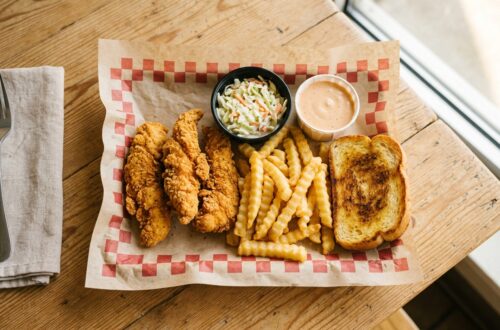
Raising Cane’s landed on North Main Street in early June, bringing its famously focused menu — chicken fingers, crinkle-cut fries, coleslaw, Texas toast, and Cane’s sauce — to Contra Costa County. The Louisiana-based chain has a cult following, and the Walnut Creek opening drew lines that wrapped around the block.
Mensho Tokyo Ramen opened on North Main Street in late May, bringing its internationally recognized ramen craft to the East Bay. The Tokyo-born chain is known for its rich, complex broths and has earned Michelin recognition at its San Francisco location.
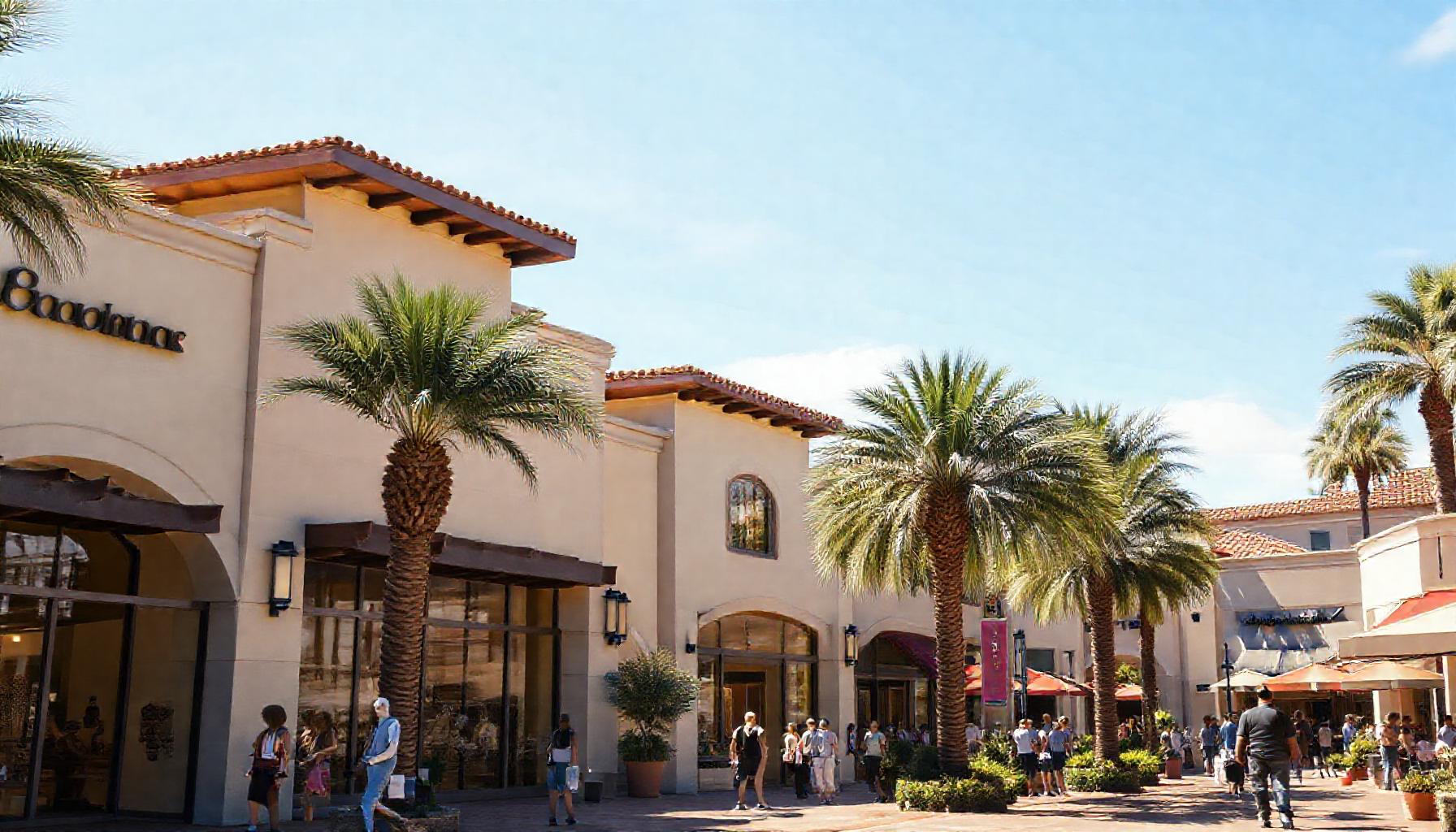
Marufuku Ramen opened at Broadway Plaza on May 27, adding another ramen heavyweight to the mix. The Hakata-style tonkotsu ramen specialist already had a loyal Bay Area following from its San Francisco and Oakland locations.
The ramen density in Walnut Creek is now unusually high for a city of 70,000 — a signal that the market believes diners here are willing to support serious, specialized food concepts.
What’s Driving the Dining Boom?
Downtown Walnut Creek retail generates an estimated 28% of the city’s general fund revenue. A daytime population swelled by office workers, a regional draw from central Contra Costa, and high median household incomes make the city an attractive bet for restaurant operators — both chains and independents.
What We’ve Lost, What We’ve Gained
Genova’s departure stung. The deli had been a downtown institution for nearly six decades. “This was a heartfelt decision made after years of navigating increasing economic challenges,” the business said in a statement. “We are deeply grateful for the opportunity to serve generations of Genova customers.”
The pattern is familiar in Bay Area dining: rising commercial rents and shifting consumer habits pressure legacy businesses, while fast-casual concepts optimized for efficiency and scale move into the vacancies. Whether the trade-off feels like progress depends on what you valued about the place that left.
But the numbers tell a story of net growth. The downtown restaurant count is up, not down. Vacancy rates on Main Street and surrounding blocks remain low. And the diversity of concepts — from Tokyo-style ramen to Louisiana chicken fingers to chef-driven salads — suggests a market that can sustain variety.
| Restaurant | Location | Opened | Concept |
|---|---|---|---|
| Marufuku Ramen | Broadway Plaza | May 2026 | Hakata-style tonkotsu ramen |
| Mensho Tokyo Ramen | North Main Street | May 2026 | Tokyo craft ramen (Michelin-recognized) |
| Raising Cane’s | North Main Street | June 2026 | Chicken fingers (Louisiana-based chain) |
| Mixt | S. California Blvd (former Genova) | July 2026 (projected) | Custom salads, bowls, sandwiches |
What’s Next for Walnut Creek Dining
The second half of 2026 will test whether the city can absorb all this new capacity. Summer brings outdoor dining season, the Walnut Creek Uncorked wine walk on June 18, and the farmer’s market crowd — all tailwinds for restaurant traffic. The World Cup, kicking off this month, will fill sports bars and brewery patios across downtown.
The broader question is whether Walnut Creek can maintain its balance: destination-worthy dining without losing the local character that made it a destination in the first place. The answer depends on which concepts stick, which landlords bet on independent operators, and whether the community shows up for the places it says it wants.
For now, the message from the market is clear: Walnut Creek is still a city worth opening a restaurant in. The question isn’t whether the dining scene will grow — it’s whether the growth will make the city more interesting, more diverse, and more Walnut Creek.
Sources: Bay Area News Group, Mixt, Mixt Instagram