



WALNUT CREEK, CA — There was a bird at Lindsay Wildlife Experience that people came back to see by name. Dragon, a white-tailed kite, spent years in the raptor viewing window of the exhibit hall. This week, she was gone.
The museum didn’t dress it up.
Lindsay Wildlife Experience announced that Dragon, its first white-tailed kite animal ambassador, had died. Caregivers made the call to euthanize her after her health declined past the point treatment could reach.
She Arrived as a Patient
Dragon’s story started in 2017, and it started badly.
She came to the museum as a nestling – a baby raptor, brought in as a patient. Staff treated her, got her strong, and released her back into the wild where she belonged.

Two months later, she flew into a building window and came back.
The collision left her with a neurological injury. Something else stood out to the people who handled her, too: she was unusually calm around humans.
That combination is what made her a candidate for a different kind of life. An injury she couldn’t survive on her own. A temperament that didn’t flinch.
A Life Behind the Glass
Lindsay gave her a home in a backstage aviary, with keepers who knew her habits.
She became the museum’s first white-tailed kite ambassador. In plain terms, she was the bird who made a species real to people who would never see one up close.
White-tailed kites are that kind of bird.
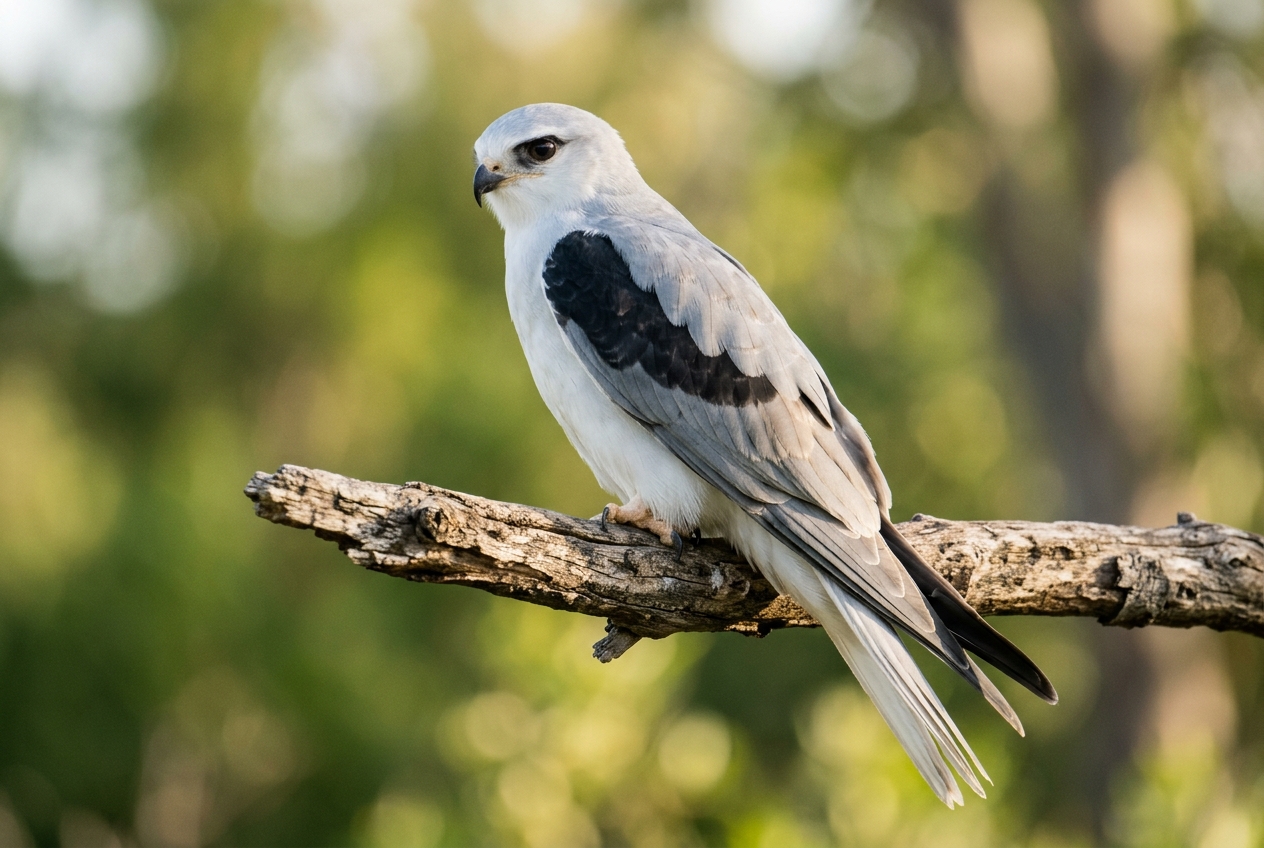
Pale gray and white, black patches on the shoulders, a long forked tail. They hover over open fields before they drop. In the Tri-Valley you can catch one working the open space at the edges of town, but most residents never do.
Dragon put one behind glass, at eye level, a few feet from the sidewalk on the edge of downtown.
You could wander in on a slow Tuesday and watch a bird of prey shift its weight on a branch, three feet away. Half the people who stopped had no idea what they were looking at.
She spent much of her time in the raptor viewing window, where kids stopped and adults stopped. The animal care specialists who fed her and tracked her health got attached. You do, when a bird recognizes the sound of your footsteps.
The Room With the Window
If you’ve taken a kid to Lindsay on a rainy Saturday, you know the room. The exhibit hall is part museum, part animal hospital waiting area, part science classroom with a live component.
An ambassador animal is the bridge between the cages out back and the people who pay for them. The birds that can’t be released do the teaching. They’re why a six-year-old leaves knowing what a kite is instead of thinking every hawk is a hawk.
The museum’s own mission statement says the work is about “connecting people with wildlife to inspire responsibility and respect for the world we share.” Dragon did that from a perch, without a script.
| 2017 | Arrives at Lindsay as a nestling patient; treated and released |
| 2017 | Returns two months later after hitting a building window |
| 2017–2026 | Lives in a backstage aviary; becomes the museum’s first white-tailed kite ambassador |
| Fall 2026 | Balance problems and trouble perching; treatment no longer helps |
| Nov. 2026 | Euthanized after caregivers weigh her history and quality of life |
The Hard Part of the Job
By this fall, Dragon had developed balance problems. Perching, the one thing a raptor has to do well, got harder. Her health slipped in ways treatment couldn’t pull back.
The team weighed her medical history against her future. They decided she didn’t have one worth living, and they said so.
Most animals go home. Some don’t. The ones that stay become family.
That’s the part of wildlife rehabilitation that doesn’t make the newsletter.
A center like Lindsay takes in thousands of animals a year. Most get patched up and released. A few can’t be, and those few are the ones the staff see every morning.
Walnut Creek has a long habit of this.
It’s the town that airlifted a planeload of kittens out of a shelter and found them homes. It’s the town where a rescue center opened just over the line in Lafayette and filled up fast. People here show up for animals, and they show up with a check.
A rehab center sits at a strange intersection: part hospital, part classroom, part halfway house for the animals that can’t go back. Dragon lived in all three rooms of it.
What Happens Now
Lindsay Wildlife Experience said they’ll miss her.
The museum is a nonprofit, and it has been treating and housing injured wildlife in this valley for a long time. The staff who worked with Dragon keep doing the same work.
Treating injured raptors.
Teaching people about the wildlife that shares the valley. Caring for the animals that can’t be released.
You can find their work at lindsaywildlife.org. If you want to do something with the kids that isn’t a screen, a membership or a donation keeps the hospital running.
The animals that stay become the ones that teach.
There’s a version of this story where a bird dies and that’s the end of it. That’s not the whole story.
She got nine years she wouldn’t have had in the wild.
In that time, a few thousand people leaned in to look at a kite they’d never have seen otherwise. Some of them remembered her name.
| What | Lindsay Wildlife Experience, a nonprofit wildlife museum and rehabilitation hospital |
| Where | Walnut Creek – the museum and hospital that took in Dragon in 2017 |
| Who | Dragon, a white-tailed kite and the center’s first kite ambassador |
| Why it matters | The animals that can’t be released become the ones that teach the rest of us |
If you’ve got kids, this is a decent week for the honest version of the story. An animal got a second life because people bothered to care for it. A place in Walnut Creek does that work, quietly, most days of the year.
Dragon’s watch is over. The window she sat in is still there.