




WALNUT CREEK, CA — The Iron Horse Regional Trail is the East Bay’s longest paved ribbon of open space, and it runs right through town. If you’ve ever pedaled from Walnut Creek toward Danville on a Saturday morning, you’ve already been on it.
The trail follows the old Southern Pacific Railroad right-of-way for 32 miles, linking Concord to Pleasanton. For Walnut Creek riders, runners, and commuters, it’s the closest thing the East Bay has to a highway with no cars. And every spring, it’s also where the region does its flood-control homework.
The Iron Horse Trail, in Short
Completed in 2014, the trail runs from near Highway 4 in Concord south through Walnut Creek, Alamo, and Danville to Shadow Cliffs Regional Recreation Area in Pleasanton. The surface is smooth asphalt and ADA-compliant — open to bikes (including eBikes), walkers, runners, and leashed dogs, with horses welcome on most sections. Hours are 5 a.m. to 10 p.m. daily.
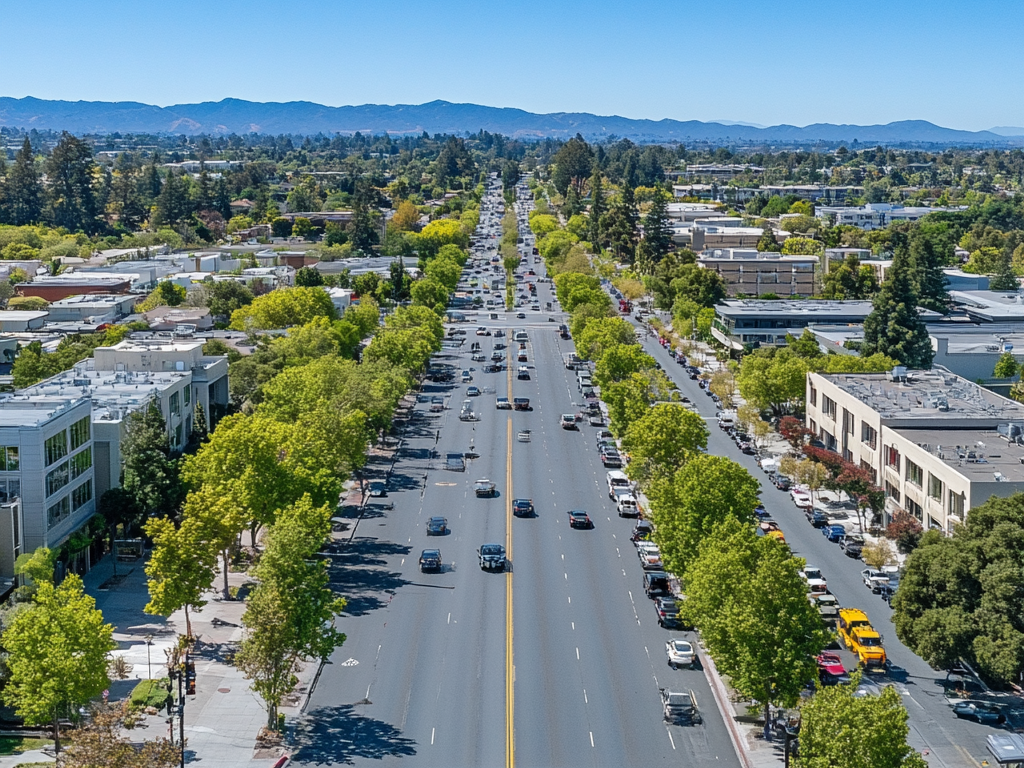
In Walnut Creek, the trail ducks under I-680 at Rudgear Road, next to the Park & Ride. That crossing is the gateway most locals use — north toward Concord, south toward Alamo and Danville.
The 2026 Closure, Explained
This summer, the southern stretch went quiet. Zone 7 Water Agency closed the segment between Amador Valley and Kimball Avenue — a piece of the corridor closer to Dublin and Pleasanton — from June into July for flood-control maintenance. No detour ran inside the corridor. Access gates were secured, and signage appeared well before the work zone.
The trail reopened August 1, 2026. If your route runs the full 32 miles to Dublin/Pleasanton, it’s contiguous again — until next spring.
The Flood-Control Reason for the Annual Shutdown
The closure isn’t about trail repairs. It’s about water. Zone 7 Water Agency manages a 37-mile network of engineered channels that carry storm runoff from the Dublin hills and Livermore Valley toward San Francisco Bay. Some of those channels run directly beside — and beneath — the trail.
Vegetation management starts May 1 and runs through June. The heavier June–July window is reserved for channel clearing, structural inspections, and embankment repairs that can’t be done with cyclists rolling past. Debris left in place can cut a channel’s capacity by roughly a third — the kind of thing you’d rather not discover in a wet winter.
The trail will be here when the work is done. The maintenance happening behind that fence is what keeps the Tri-Valley dry.
If a Segment Closes Again, Your Options
Spring closures will return — that’s the rhythm of the corridor. When a stretch goes down, Walnut Creek riders have real workarounds.
- BART — ride to Walnut Creek BART and take the train to Dublin/Pleasanton. Bikes are allowed on all trains except crowded peak-hour cars.
- County Connection — routes 21, 92X, and 95X serve the I-680 corridor, and every bus carries a front rack for 2–3 bikes.
- Danville out-and-back — ride Walnut Creek to Danville and return, roughly 12–14 miles, all on protected trail.
- Lafayette-Moraga Regional Trail — a parallel EBRPD trail west of I-680 that links to Lafayette BART.
Iron Horse Trail at a Glance
| Attribute | Detail |
|---|---|
| Length | 32 miles (completed 2014); a planned extension would add roughly 23 more |
| Route | Concord (near Highway 4) to Shadow Cliffs Regional Recreation Area, Pleasanton |
| Surface | Asphalt, ADA-compliant width and slope; wheelchair accessible |
| Allowed | Bikes and eBikes, walkers, runners, leashed dogs, horses |
| Hours | 5:00 a.m. – 10:00 p.m. daily |
| Walnut Creek access | Rudgear Road underpass at I-680 (Park & Ride) |
Reporting a Problem on the Trail
Hazard, damaged surface, or a trail conflict? EBRPD runs the channels.
- Non-emergency trail hazards or conflicts — call (510) 881-1833, 24/7, or file an online Park Watch Report
- Emergency — call 911
- Zone 7 flood-control questions — email floodinfo@zone7water.com
For live status, bookmark the EBRPD Iron Horse Trail page. The Alerts & Closures section updates as conditions change.
Looking Ahead
The corridor is finished at 32 miles, though a long-planned extension could push it toward 55 and thread deeper into the Tri-Valley. That’s years off. For now, the Walnut Creek–to–Danville ride remains the best free workout in town — and afterward, you’ve earned a stop on the way home. If you’d rather climb than cruise, the Mount Diablo trails are the other local standard, and downtown’s restaurant row is where to land when the ride is done.
Last updated September 26, 2026. Closures are subject to change, so check EBRPD’s official Iron Horse Trail page before heading out. Know something I should cover? Got a trail tip? Reply or DM.