



There’s a moment every Sunday morning on Locust Street when the first crates of strawberries hit the folding tables and the smell of fresh bread drifts past the pastry tent, and Walnut Creek feels less like a Bay Area suburb and more like a village plaza. The Downtown Walnut Creek Farmers Market has been a Sunday ritual for decades, and summer 2026 finds it in peak form — the stone fruit season is just beginning, the cherry window is still open, and the market is once again the best weekly argument for getting out of bed before 9:00 AM on a weekend.
Whether you’re a longtime regular or a first-timer, this guide covers what’s in season right now, which vendors to seek out, how to turn a market run into a picnic, and where else to find fresh produce across Contra Costa County on the other six days of the week.
The Downtown Walnut Creek Farmers Market: Sundays on Locust
The flagship market runs Sundays from 9:00 AM to 1:00 PM on Locust Street, typically April through November. The street closes between Mt. Diablo Boulevard and Civic Drive, creating an open-air marketplace with 50-plus vendors on a busy summer weekend. The market is operated by the Contra Costa Certified Farmers’ Market Association, and the “certified” designation means every farm grows what it sells within California — no reselling allowed.
That certification matters. The strawberries you buy in June were likely picked within 48 hours from farms in Watsonville, Brentwood, or the Central Valley. Market fruit is harvested at peak ripeness rather than bred for shipping durability — the difference isn’t subtle. The same goes for the peaches arriving later this month, the heirloom tomatoes in July, and the figs and grapes that round out late summer.
Parking is available in the city garages on Broadway and Locust Street, both a short walk from the market. This weekend also brings the Walnut Creek Art & Wine Festival (June 6–7), which takes over a different stretch of downtown and draws tens of thousands of visitors. The festival and farmers market don’t overlap — but the same downtown transforms from a massive arts and wine showcase on Saturday to a quieter, produce-focused scene the following morning.

What’s in Season: The June Bounty
June is a transition month in Northern California agriculture — spring crops are winding down, summer crops are ramping up, and for a few weeks you get the best of both.
Strawberries are the headliner. June is peak season, and market vendors sell them by the flat — smaller, darker red, and more fragrant than anything in a clamshell. Buy more than you think you need. Cherries are at their peak in early June, with both Bing and Rainier varieties available. The California cherry season is notoriously short — roughly six weeks — so the window is narrow. Brentwood, about 30 miles east, is the state’s cherry capital, and many vendors source directly from Brentwood orchards.
Stone fruit is just beginning. Early peaches, nectarines, and apricots appear in June, with small, tangy apricots leading the charge before larger varieties arrive in July. Early tomatoes — cherry tomatoes, Early Girls, and the first dry-farmed varieties from specialist growers — and summer squash — zucchini, yellow crookneck, pattypan — round out the savory side. Also look for tender greens, sugar snap peas, green beans, and the first cucumbers of the season.
The single best way to improve your market experience is to ask questions. Which peach is best for eating today vs. baking? When will the dry-farmed tomatoes arrive? What’s that unusual green in the corner? Farmers know their product better than anyone, and most are happy to offer samples, storage tips, and recipe ideas.
Beyond Produce: Artisan Vendors
A rotating cast of artisan vendors turns a produce run into a full grocery trip. Bread and baked goods are a staple — expect artisan bakers selling crusty levain loaves, baguettes, and laminated pastries (croissants sell out early — arrive before 10:00 AM). Cheese vendors offer California-made goat, sheep, and cow’s milk cheeses, from fresh chèvre to aged gouda-style wheels. Local honey — often varietal-specific, like orange blossom or wildflower — comes from East Bay apiaries. Cut flowers are another highlight: June brings peonies, sunflowers, and mixed wildflower bouquets at prices that embarrass a supermarket florist. Prepared foods — tamales, fresh pasta, hummus, and dips — round out the offerings for shoppers who want lunch alongside their produce.
Market-to-Picnic: A Sunday Game Plan
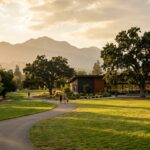
One of the underrated pleasures of the Walnut Creek market is its proximity to the city’s best parks. Start at the market around 10:30 AM. Pick up a baguette, a wedge of aged cheese, a basket of strawberries, and a handful of apricots. Add hummus or tapenade for something savory. Walk two blocks to Civic Park, spread a blanket, and you’ve got a better lunch than most restaurants for under $25.
For more shade, Heather Farm Park is a five-minute drive north with picnic tables, duck ponds, and gardens in full June bloom. The Gardens at Heather Farm are free to visit and worth the detour, especially as the roses peak this month. For a more ambitious outing, head to Shell Ridge or Lime Ridge open spaces — the combination of fresh market food and East Bay ridgeline views is one of the best ways to spend a summer Sunday in the 925.
Farmers Markets Across Contra Costa County
The Walnut Creek Sunday market is the anchor, but Contra Costa County hosts markets nearly every day of the week. If Sunday doesn’t work, one of these likely will.
| Market | Day | Hours | Location & Vibe |
|---|---|---|---|
| Walnut Creek Downtown | Sunday | 9 AM – 1 PM | Locust Street; largest in the area, 50+ vendors |
| Danville | Saturday | 9 AM – 1 PM | Railroad Ave & Prospect; quaint, strong prepared foods |
| Clayton | Saturday | 9 AM – 1 PM | Downtown; community-focused, Mt. Diablo views |
| Lafayette | Thursday | 4 PM – 8 PM | Downtown; evening market, live music |
| Orinda | Saturday | 9 AM – 1 PM | Orinda Way; intimate, strong organic selection |
| Moraga | Sunday | 9 AM – 1 PM | Moraga Center; family-friendly, growing vendor base |
Shopping Smart: Tips for Newcomers
Bring cash. While more vendors now accept cards and Venmo, cash is still the fastest currency. Many vendors accept CalFresh/EBT, and the market participates in Market Match, which doubles EBT dollars spent on produce. Go early — berries, pastries, and specialty items sell out by mid-morning. But arriving late has its own advantage: vendors sometimes discount inventory in the final 30 minutes. Bring your own bags and consider a small cooler for cheese or meat. And walk the whole market before buying — prices and quality vary, and a full lap lets you compare before committing.
Looking Ahead: July and August
If June is the opening act, July and August are the main event. Strawberries give way to an avalanche of stone fruit — peaches, nectarines, plums, and pluots. Heirloom tomatoes arrive in force, from Brandywines to Cherokee Purples. Melons, sweet corn, and figs appear by mid-summer. Padron peppers, eggplant, and every summer squash variety fill the vegetable stands.
The farmers market isn’t just a place to buy food — it’s a weekly check-in with the agricultural calendar. Cherries signal late spring, tomatoes mark high summer, figs mean August has arrived, and the first pumpkins in October announce fall. In a world where supermarkets stock strawberries in December, the farmers market is one of the few places where food still tells you what month it is.
For more information on the Downtown Farmers Market, including vendor lists and seasonal updates, visit the Walnut Creek Downtown Association. For a full calendar of markets across Contra Costa County, check the Pacific Coast Farmers’ Market Association directory. And if you’re downtown this weekend for the Art & Wine Festival, save room in your schedule — and your shopping bag — for Sunday morning on Locust Street.