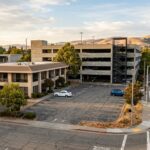



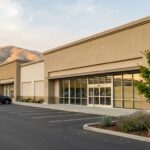

WALNUT CREEK, CA — A mostly empty office building and a five-story parking garage sit on 6.8 acres right beside the Walnut Creek BART station. The man who owns them wants to turn part of the site into senior housing. He’s asking you to vote on it instead of filing a normal application.
That’s Measure U, and it’s on your November 3 ballot.
What the measure actually does
Here’s the short version. A “yes” vote rezones 2.4 acres at the northeast corner of North California Boulevard and Ygnacio Valley Road from office to mixed-use residential.
That single change clears the way for up to 282 units restricted to people 55 and older.
What gets built isn’t decided yet. It could be age-restricted condominiums, rental apartments, a residential care facility, or a retirement community. The rest of the 6.8 acres stays an office park.
Measure U at a glance
- What it is: A ballot initiative to rezone 2.4 acres at North California Boulevard and Ygnacio Valley Road from office to mixed-use residential.
- What it would allow: Up to 282 units of housing restricted to people 55 and older, plus ground-floor commercial space.
- Who’s behind it: Mark Hall of Hall Equities Group, owner of the property and top funder of the campaign.
- What it takes to pass: A simple majority.
- Election: November 3, 2026. Ballots land in mailboxes the first week of October.
The corner by the station
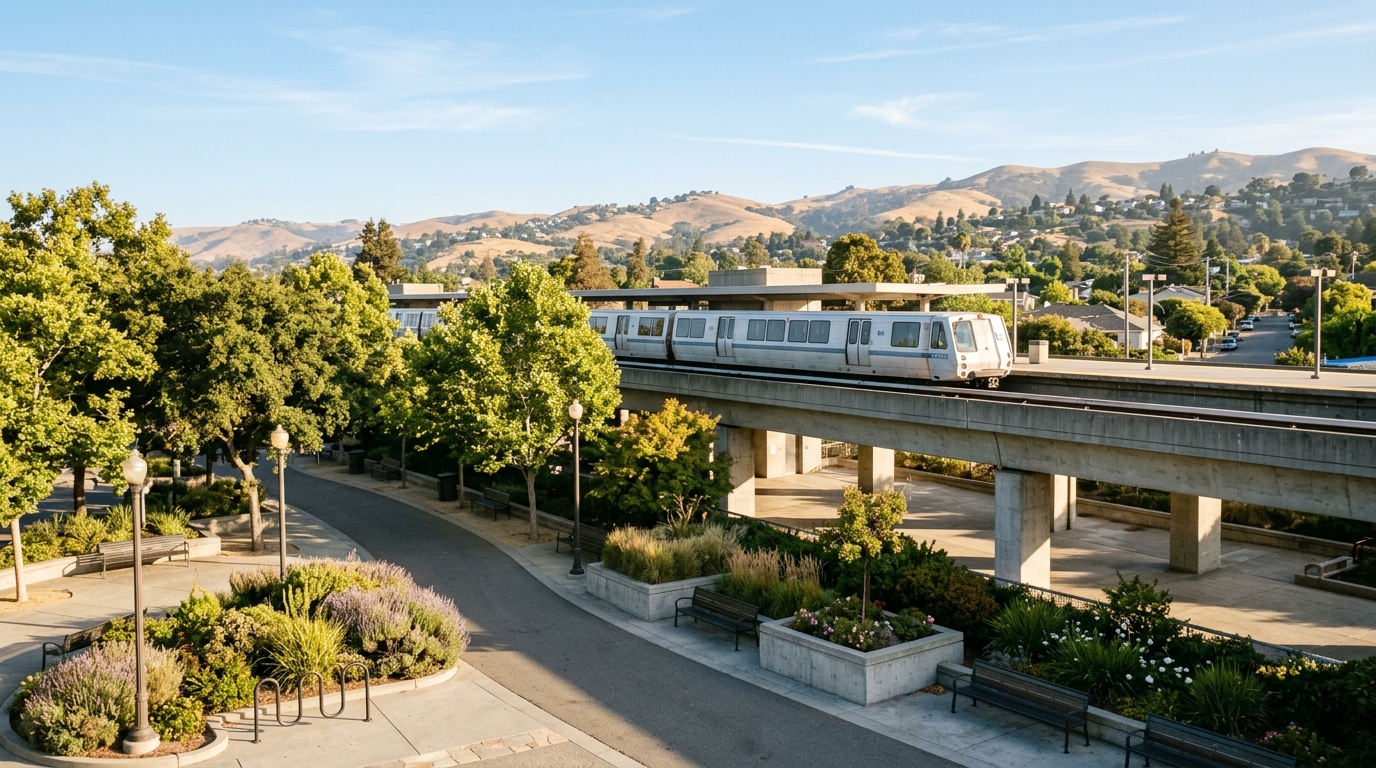
You’ve driven past this site a hundred times. It’s the kind of property that quietly tells you what happened to offices around here. A two-story building with lights that go off at five. A garage that empties by six.
Office demand has been drifting down across the region, and this corner shows it. The building still stands. The tenants, for the most part, don’t.
Mark Hall runs Hall Equities Group, which owns the parcel and is the top funder behind Measure U. His pitch is that an underused office site, steps from BART, should become housing for the Bay Area’s fastest-growing demographic.
That demographic is real. Seniors 65 and older now make up about 18 percent of Contra Costa County’s 1.17 million residents, up from 16.5 percent in 2020. The under-18 population shrank 1.2 percent over the same stretch.
The county is aging at both ends of the curve — more retirees, fewer kids.
Hall calls it a “luxury senior transit village,” which is a lot of adjectives for a place that doesn’t have a floor plan yet. The vision includes a 60,000-square-foot ground floor — a grocery store or food hall — with parking pushed underground. Density works out to one unit per 425 square feet of lot area, plus a 20 percent state bonus granted to senior housing.
Why he skipped the planing desk
Hall could have filed a routine zoning application with the city. He chose a ballot initiative instead, gathering more than 5,000 signatures from registered Walnut Creek voters to force the question onto the ballot.
The reason is on the record. His firm spent five years and roughly $4.5 million on studies. They were trying to turn a life-science lab into senior housing back in 2019.
He’s not eager to do that again.
“Seniors vote. They vote, and there’s a lot of them in our area. This type of senior housing in this location resonates.”
— Mark Hall, Hall Equities Group, to the Bay Area News Group
The city council had a choice too. It could have adopted the zoning change outright. In July it voted to hand the decision to voters.
The quiet part: nobody filed against it
Measure U has faced little pushback. No formal argument against it was filed with the Contra Costa County elections office, which means no opposition will appear in the voter pamphlet.
The council stayed neutral on purpose.
That’s unusual for a zoning measure. It doesn’t make the measure harmless. It means the real debate — if there is one — is happening in living rooms and on Nextdoor rather than in official filings.
There are fair questions worth asking. Whether “luxury” senior housing at the BART station helps the seniors who actually need it, or just the ones who can afford it. Whether 282 units is a lot or a little for a corner begging for density. Whether letting one property owner rezone through a ballot initiative is a precedent you’re comfortable with.
None of these have an official answer yet, because nobody has had to defend one in public. That’s the trade-off of an unopposed measure: you get to vote, but you don’t get much of a fight to watch first.
What happens next
A simple majority wins. If Measure U passes, Hall says he’d do more research, then aim to file a formal application by the end of 2027. Construction could wrap two to four years after that.
So this isn’t housing that appears overnight. It’s a zoning vote now, a plan later, and a building sometime in the next decade.
Yes or no, plain and simple
A “yes” vote rezones the 2.4 acres so senior housing and compatible commercial uses can be built there.
A “no” vote keeps the site zoned for offices. The two-story building and parking garage stay as they are.
Election Day is November 3. Ballots start landing in mailboxes the first week of October. If you live in Walnut Creek and you vote, this is one of the local questions you’ll actually get a direct say on.
Most of the November ballot is state and national noise — this one is yours.
If you want to read the fine print, the city’s elections page has the full measure language and the impartial analysis. Ballotpedia walks through the yes and no arguments. The Bay Area News Group has the backstory on Hall’s push.
We’ve been tracking Walnut Creek’s growth stories all year — the 8-story housing plan downtown, the city’s 25-year General Plan update, and now Measure U.
Know something I should cover? Reply or DM.