

WALNUT CREEK, CA — The plan that has run this town for two decades expired at the end of 2025. The city is now writing its replacement.
The Walnut Creek General Plan update — the one that runs through 2050 — is well past its opening act. Phase 1 wrapped in late October.
If you meant to weigh in and missed it, you haven’t missed everything. Here’s exactly where the process stands, and where the next opening is.
The old plan already ran out
Here is the detail almost nobody talks about. The current document is called General Plan 2025, the city adopted it in 2006, and it covers goals and policies through the end of 2025.
So the city is operating on an expired roadmap right now.

That’s not a crisis, since California law requires every city to keep and periodically refresh a general plan. So the update is overdue by design.
The old plan is still posted in the project’s resource library, labeled plainly as the one being updated now.
A general plan is the closest thing a city has to a constitution for its dirt. It steers land use, housing, roads, parks, open space, and safety.
Every future decision has to answer to it.
The 2006 version predates the smartphone in your pocket and the apartment buildings that sprouted along North Main. It also predates a decade of arguments about whether the city should grow up or out.
Downtown’s new towers have not settled that one.
Downtown filled in. The arguments only got louder.
The Update at a Glance
- 2006 — the year the current plan, General Plan 2025, was adopted
- 2025 — the year that plan officially ran out
- 2050 — the horizon the new plan will guide the city toward
- About 3 years — the full update timeline, with adoption expected in 2029
- Covers land use, housing, transportation, open space, safety, and economic vitality
What happened in phase one
The city ran its first in-person community workshop on Sept. 24 at the Civic Park Community Center on Civic Drive. It was a drop-in open house rather than the podium-and-slide-deck affair that planning meetings usually turn into.
People drifted in between 5:30 and 7:30 in the evening to review a draft vision and a set of guiding values. They dropped pins on a map about housing, jobs, recreation, and where the community should gather.
There were activities for kids and raffle prizes. City staff supplied the food, which is its own small miracle for a planning meeting on a weeknight.
No podium. No three-hour agenda.
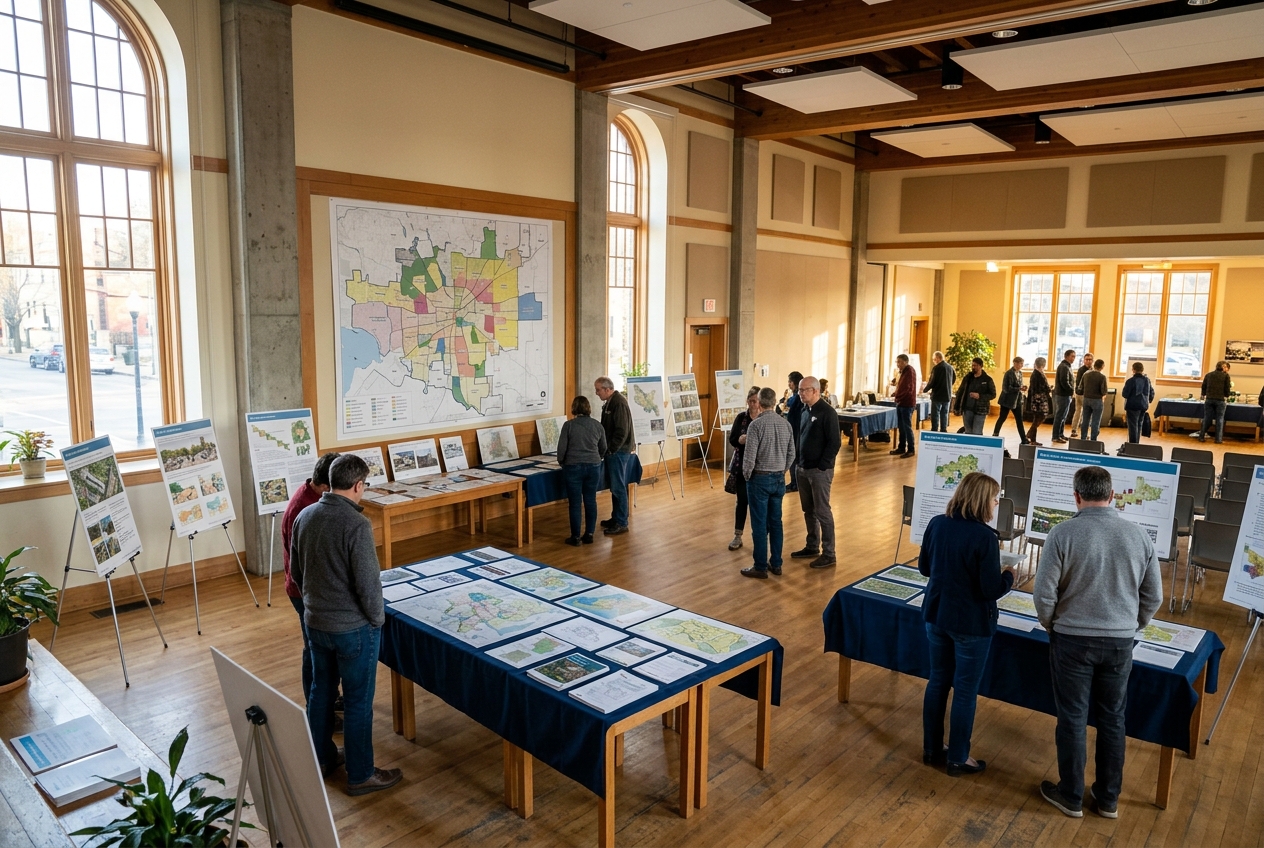
An online questionnaire mirrored the in-person activities for anyone who couldn’t make it. That questionnaire closed on Oct. 25.
That deadline is the part to notice. For six weeks, plenty of people assumed they still had time.
They didn’t. I talked to a handful of people around town who figured the questionnaire would run through Thanksgiving.
“The people who show up are the ones whose priorities end up written into the document.”
Housing is still the loudest question
Nobody at the city pretends the questions are small. Where does new housing go, and how much of it?
How do people get around as traffic stacks up on Ygnacio Valley Road and North Main? Anybody who drives that stretch at 5:30 knows the answer already.
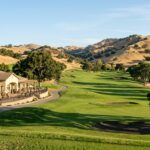
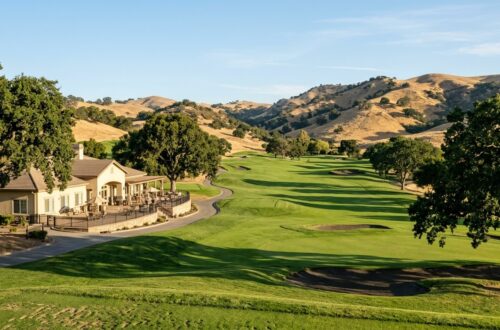
What happens to the open space up in Shell Ridge and Lime Ridge, where the trails are? The pressure to build there keeps climbing.
The city already adopted its 2023-2031 Housing Element, which handles the state’s numerical obligations for the next eight years. The general plan is the broader question sitting above it.
How should the whole city grow, and where? That’s a bigger argument than any single project.
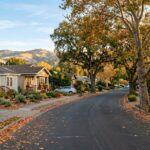
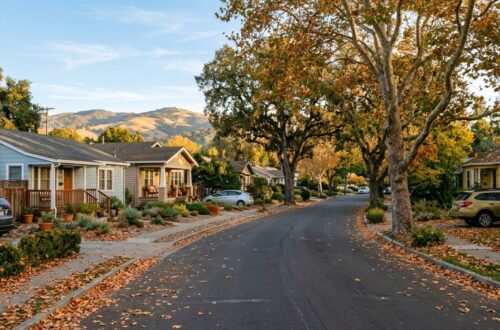
It’s also the one that decides what your block looks like in twenty-five years.
A general plan doesn’t approve one building. It sets the ground rules every future decision has to answer to.
The city’s eight-story downtown housing approval is exactly the kind of call this plan is built to handle.
What comes next, phase by phase
The update runs about three years and moves through five phases. Only the first one is done.
Phase 1 — existing conditions and visioning — is the one that just closed. Phase 2 tackles land use and mobility alternatives. That is where the growth options get laid on the table.
Phase 3 develops the actual policies, and Phase 4 produces the draft general plan along with the environmental review. Phase 5 is final review and adoption by the council.
Adoption is expected in 2029. The city has said a summary of the phase-one feedback will be posted soon.
That summary is the document to watch. It tells you whether your neighborhood’s concerns made the list.
Da Mayor’s Take
The first phase is over and the second one starts soon. If you care about the ridges or the downtown skyline, get on the update list now.
Not in 2028, when the draft lands and everyone suddenly has opinions.
Verdict: worth twenty minutes of your time. The plan outlasts all of us.
How to still have a say
The questionnaire’s closed, but the door isn’t. The city says more workshops, pop-up events, focus groups, and a speaker series are coming through 2026 and beyond.
The fastest move is to sign up for project updates at WalnutCreek2050.org. That list is how you hear about Phase 2 before it happens, not after.
The site also carries a plain-language FAQ on what a general plan is and why the city is redoing it.
Worth a read if the phrase has never meant much to you.
You can also email the project team at WalnutCreek2050@walnutcreekca.gov. The project office is at 1666 North Main Street.
Where to Follow the Update
- Project site + sign-up: WalnutCreek2050.org
- Email the team: WalnutCreek2050@walnutcreekca.gov
- Project office: 1666 North Main Street, Walnut Creek
- Next up: Phase 2, land use and mobility alternatives
Why this one outlasts the news cycle
Most city stories have a shelf life of about a week. This one runs until 2029.
Then the result steers Walnut Creek for another quarter century.
I’ll say this much: the plan also covers the unglamorous stuff. Sidewalk gaps, park access, street trees, and the small things that make a block work all live in here.
Nobody campaigns on storm drains.
It decides what gets built, where, how tall, and for whom. The current plan has been steering this town since 2006, through downtown’s transformation and the BART era’s ups and downs.
It’s also lived through a housing crunch nobody saw coming.
The next one will still be doing it in 2050. Phase 1 is closed. Phase 2 is where the real fights start.
There’s no wrong answer at this stage. The city’s collecting opinions, not grading them.
The window narrows with each phase. It won’t stay open forever.
Know something I should cover? Reply or DM.


4 Comments on “Walnut Creek General Plan Update: What Happens Next”
Comments are closed.